 John
Understanding the Cobot System: The New Frontier in Robotics
I vividly recall my first exposure to a robotic arm company at a manufacturing expo—it was a lightbulb moment. With automation becoming the norm, cobots, or collaborative robots, are here to support rather than replace human workers. Statistics suggest a staggering 50% to 70% increase in productivity for companies integrating cobot systems. But what does this really mean for you and your business?

As we wade deeper into this landscape, the effectiveness of traditional robotic solutions pales in comparison. For instance, traditional robotics often lack adaptability, which is crucial in today’s fast-changing business environments. Moreover, the cost of deploying these solutions can be prohibitive. Cobot systems stand as the answer, bridging efficiency and affordability. They’re designed for workers to collaborate alongside them, which opens new avenues for productivity.
Has Traditional Automation Failed Us?
This is an ongoing question in the industry. We often underestimate the adjustment time required for traditional robotic systems, not to mention the training costs involved. Cobots, on the other hand, promise seamless integration and user-friendly programming interfaces. As I’ve repeatedly heard from industry peers, companies are eager to pivot but often find themselves tangled up in outdated systems—ugh, talk about frustrating!
Looking Ahead: The Competitive Edge of Cobots
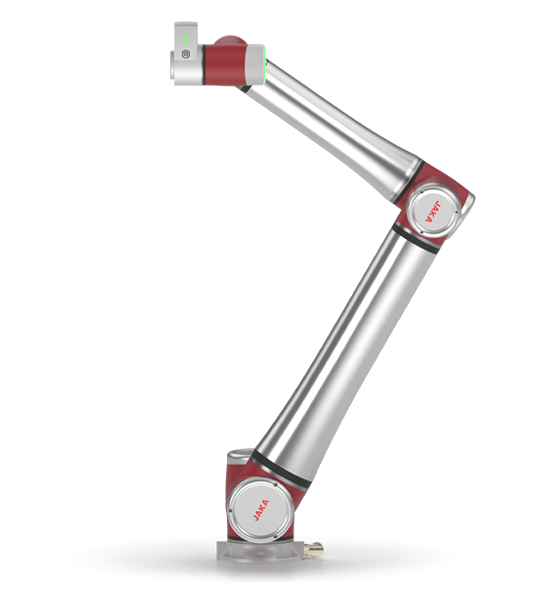
Well-known players, like that robotic arm company I mentioned earlier, have already set a standard. This is not merely a trend; it’s a shift towards a collaborative future. Imagine scaling your workforce without the overhead of traditional systems. Coupled with the right technology, cobots allow you to reallocate human talent to more strategic roles—think about the innovation possibilities!
What’s Next for Cobots?
JAKA has to offer. Their innovations set the bar high and could be just what you need to level up!

 admin