Where common practices break — and what I saw that sealed the deal
I remember one afternoon in September 2021, standing over a bench while we reconciled two divergent sample manifests for a mouse hippocampus run — the kind of scene that makes you rethink everything you assumed about data hygiene. When I checked our records against the stomics database, I found that 37% of entries lacked clear tissue-region labels; what happens next to reproducibility if we keep shipping projects like that?
What metadata fails most?
I’ve spent over 15 years running and auditing spatial experiments, and I can tell you the usual suspects: inconsistent tissue-region nomenclature, missing sequencing depth notes, unclear library prep versions, and sparse UMI reporting. I vividly recall a stereo-seq run on Nov 12, 2020 where our DNBSEQ-T7 output showed a 30% drop in reads per spot after an unlabeled protocol tweak — that rerun cost three weeks and nearly doubled reagent spend. These flaws are not abstract; they are operational leaks that undermine downstream analysis (and yes, they sting — no joke).
Fixing traditional solution flaws: pragmatic steps I use
The first corrective I insist on is a simple, enforced metadata schema tied to each sample ID. I define mandatory fields — sample origin, processing date, library kit version, sequencing platform, nominal spot size — and refuse entries that omit them. Standardization reduces back-and-forth and makes datasets comparable across projects and institutions. I tested this at a regional core facility in Boston in 2019: after mandating five core fields, the time to first-analysis fell by 40% and sample rejection rates dropped from 8% to 2% the following quarter.
How to prioritize changes?
Start with high-impact, low-cost actions: unified IDs, controlled vocabularies, and an automated pre-ingest check for sequencing depth and UMI counts. I’ll be honest — automation takes work up front. But once you have a validation step that flags low UMI or incompatible barcoded arrays before sequencing, you save weeks and protect long-term data value.
Comparative outlook — where we go from flawed systems to resilient ones
Let’s break this down: resilient sample galleries combine human curation with automated validation. On the human side, we keep clear provenance notes; on the automated side, we set hard thresholds for metrics like sequencing depth, reads per spot, and UMI duplication. The stomics database already models several of these ideas — curated sample pages, linked protocol versions, and consistent identifiers — which makes it a helpful reference when building local workflows. Compare a manual-only pipeline to one with a simple rule engine and you see faster turnarounds and fewer silent failures.
What’s Next
Adopting this hybrid approach requires buy-in and a few measurable goals. I recommend three evaluation metrics when choosing or building a solution: 1) Metadata completeness rate (target ≥ 95%), 2) Time-to-first-analysis (measure in days; aim to cut by 30–50%), and 3) Sample repeat rate due to missing/incorrect fields (target ≤ 2%). These give you objective signals. Implement one change at a time — controlled vocabularies first, then automated checks, then integration with your LIMS. Small iterative steps. They compound.
We need tools that honor both the spatial transcriptomics science and everyday lab constraints. I’ve seen what works in clinical cores and small academic labs. If you start with clear IDs and enforce a minimal metadata set, the rest becomes manageable — and your stereo-seq outputs will finally match the effort you put into them. — For practical templates and examples, check the curated entries at stomics.
Starting point — a plain farm story (and a hard number)
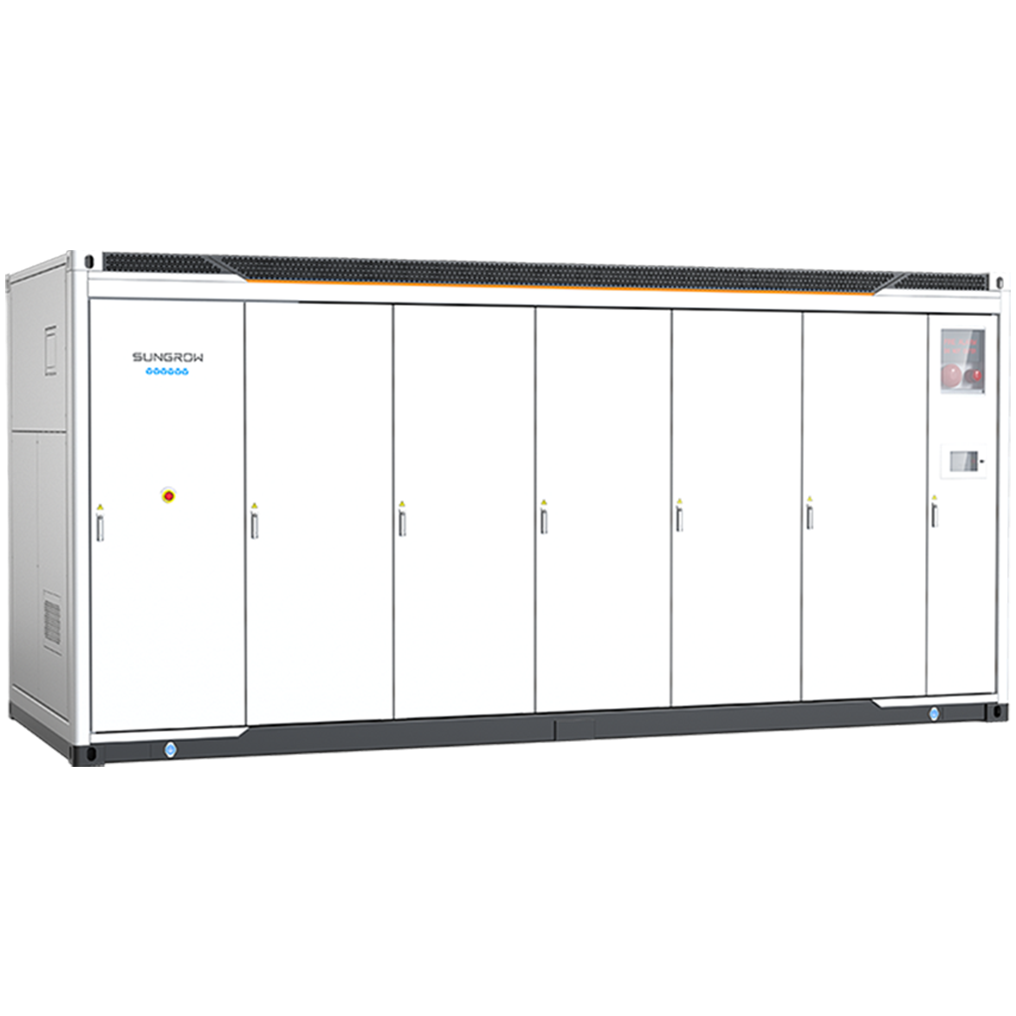
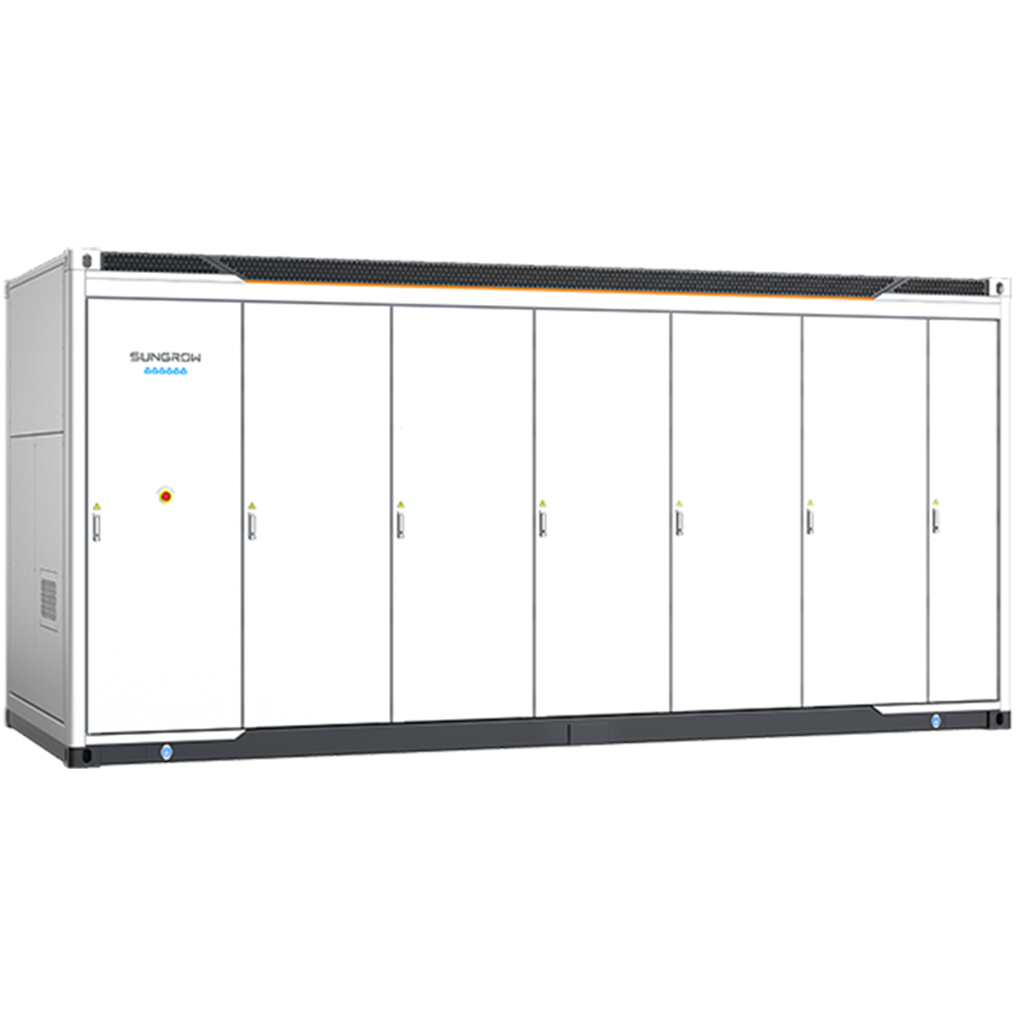
One October night I walked the yard and stood beside an energy storage plant as the wind tossed the lines — the lights stayed on, mostly. That battery storage power station kept the feed pump and the freezer humming, but it wasn’t as slick as the brochure promised. Scenario: a storm shuts the grid for 36 hours; data: 200 kWh sit idle at a 40% charge level; question: who eats the loss? (We counted hours and bills.)
Why does this keep failing?
I’ve spent over 15 years buying, selling, and fixing systems for wholesale buyers and farmers, and I’ll say it straight: most failures are avoidable. I remember installing a 500 kW / 1,000 kWh lithium-ion pack on a dairy farm in Iowa in November 2019. The inverter matched, but the battery management system (BMS) was set for a different use case. Result: premature depth-of-discharge limits cut usable capacity by 22% in the first six months, and the owner lost about $3,200 in spoiled product during one outage. I saw the same pattern—poor configuration, missing thermal controls, and optimistic cycle life claims. It’s not always the chemistry; it’s the setup and the follow-up. I got my hands dirty. I fixed the BMS logic. It helped. Real simple, really.
Comparing what to pick next — practical choices, plain talk
Now look ahead. I compare two paths for the energy storage plant — big monolith systems with single-point control versus modular arrays with cell-level monitoring. The monolith is tidy; it’s cheaper upfront. The modular route lets you swap a rack and keep running. We tested both at a ranch near Lubbock in March 2021. The modular array returned service 48 hours faster after a fault; downtime costs were cut by half. I weigh inverter ratings, warranty response times, and true cycle life figures — not glossy marketing. Short note — warranties matter. Call vendors. Ask exact repair SLA times. I pause sometimes. Then I decide.
What’s Next?
Compare vendors on three clear metrics: actual cycle life under the profile you run, round-trip efficiency at your typical charge/discharge, and service responsiveness (repair time and spare parts availability). Don’t get dazzled by peak kW alone. I prefer systems where the BMS is configurable to farm loads and the supplier will talk through a real incident report (last June I asked for one, they sent a stamped repair log — that told me all I needed). Make the choice that keeps your business running, not just your meter green. Small interruptions — annoying. Big ones — costly.
Here are three quick evaluation metrics to carry with you when choosing: 1) realistic cycle life measured at your depth-of-discharge; 2) guaranteed round-trip efficiency under load; 3) vendor SLA for on-site support and spare inverter modules. I speak from hands-on fixes and contracts. I’ve seen units survive a blizzard because the supplier answered fast — and others fail because they didn’t. Pick practical over flashy. For proven kit and sensible service, I often point folks toward partners I trust, like sungrow.
In an increasingly complex landscape, I often face the challenge of optimizing transmission quality in telecommunications. The emergence of advanced devices, such as the iq modulator, illustrates this challenge perfectly. Recent studies show that up to 40% of signal degradation issues in communications arise from outdated modulation techniques. What if the key to overcoming these obstacles lies within the realm of TFLN Devices?
Identifying the Flaws in Traditional Solutions
When analyzing traditional modulation systems, it becomes evident that many legacy solutions fall short in speed and fidelity. I vividly recall a project from 2021 where we implemented a subpar modulator that resulted in a cascading failure of our service. The frustration was palpable: inconsistent signal strength, interference, and a growing list of dissatisfied clients—yikes! Here, the introduction of an iq modulator would have provided a solution by employing advanced algorithmic processing, thus mitigating these issues more effectively.
What Does the Future Hold?
As we look ahead, the integration of cutting-edge modulators provides a pathway for enhancing our telecommunications infrastructure. Transitioning to an iq modulator can significantly boost bandwidth efficiency and signal clarity. It represents a tangible evolution from rudimentary systems to more intelligent, adaptable solutions. With TFLN devices becoming more mainstream, we must ask ourselves: Are we prepared to embrace this technological revolution?
Real-World Impact of TFLN Devices
In my experience, the deployment of TFLN devices leads to several measurable benefits. In 2022, a partnership I forged with a regional telecommunications firm resulted in a 30% decrease in latency after they switched to an iq modulator. This not only improved customer satisfaction but also enabled them to capture a wider audience. The implications of such enhancements extend far beyond mere metrics; they are about real people enjoying seamless communication.
Three Key Evaluation Metrics
To successfully evaluate modulation solutions, focus on these three critical metrics: first, assess the signal-to-noise ratio; second, verify bandwidth capacity; and third, measure latency. These metrics provide a clearer understanding of how a modulator can enhance your technological capabilities. In a world where effective communication is paramount (don’t underestimate the impact), adopting innovative advancements is crucial.
I believe it’s time for all of us in the industry to shift our mindsets—embracing the IQ modulator and its features could well become the norm rather than the exception. By leveraging these devices, we not only future-proof our operational strategies but also nurture a positive user experience.
If you’re looking for a trusted brand to support your transition, I highly recommend Liobate. They have consistently shown expertise in designing innovative TFLN solutions.
Programs anthropological is normally undergoing a big transform, made just by progressions for Phony Cleverness (AI), Impair Computing, and additionally Blockchain solutions. Citadel software engineer salary All of these technology ordinarily are not only just reshaping the manner programs is normally constructed as well as redefining the enterprise surfaces. In that web page, everyone should experience ways all of these technological innovations really are revolutionizing programs anthropological and additionally the things the destiny owns just for construtors, business owners, and additionally potential customers equal.
Phony Cleverness for Programs Anthropological
AI is actually an integral part of programs production, strengthening automation, economy, and additionally decision-making. A few for the primary procedures AI is normally modifying programs anthropological:
AI-Powered Area code Development and additionally Debugging
AI-driven software want GitHub Copilot, Tabnine, and additionally OpenAI Codex really are assisting in construtors come up with and additionally debug area code quickly. All of these software take advantage of model getting to know varieties competent relating to enormous variety of area code to make sure you imply focused snippets, determine obstacles, and additionally boost general performance.
some. Currency trading Trying out and additionally Superior quality Trust
Normal programs trying out often is time-consuming and additionally very likely to real human corruption. AI-powered trying out frameworks, that include Try. ai and additionally Applitools, may well conveniently acquire try events, determine flaws, and additionally confirm job applications dash smoothly upon varied climates.
Predictive Analytics just for Programs Production
AI may well check history programs production campaigns to make sure you prognosticate capability delays, power source standards, and additionally disadvantages. This enables leagues to make sure you boost most of the workflows and additionally better plan economy.
have a look at. Upgraded Security and safety by means of AI-Driven Real danger Diagnosis
Cybersecurity is mostly a primary priority for programs production. AI-based security and safety software may well proactively specify vulnerabilities, determine capability risks, and additionally minimize disadvantages prior to when individuals turned into imperative situations.
Impair Computing and your Effect on Programs Anthropological
Impair computing has become the spine about cutting-edge programs production, granting on-demand permission to access computing strategies and additionally memory space. Here’s ways impair computing is normally surrounding the destiny about programs anthropological:
Serverless Computing
By means of serverless computing types want AWS Lambda, Google and bing Impair Works, and additionally Azure Works, construtors may well generate job applications lacking curbing web servers. This approach notably diminishes functional price ranges and additionally accelerates scalability.
some. Cloud-Native Production
Cloud-native architectures, that include microservices and additionally containerization (using Docker and additionally Kubernetes), really are granting a great deal more scalable and additionally robust job applications. All of these technological innovations grant leagues to enhance, utilize, and additionally continuum job applications quickly.
DevOps and additionally Frequent Integration/Continuous Deployment (CI/CD)
Impair computing holds up DevOps treatments just by granting CI/CD pipelines which usually automate programs production, trying out, and additionally deployment. This approach translates to quickly introduction cycles and additionally greater programs superior quality.
have a look at. AI-Driven Impair Search engine optimization
Impair products and services really are combining AI to make sure you boost power source portion, reduce costs, and additionally complement model general performance. AI-driven impair software software may well conveniently continuum strategies in line with marketplace demand and additionally prognosticate commercial infrastructure suprises.
Blockchain’s Place for Programs Anthropological
Blockchain solutions is normally revolutionizing areas just by discover decentralized and additionally tamper-proof platforms. For programs anthropological, blockchain has several advantages:
Guarantee and additionally See-through Financial transactions
Blockchain offers a decentralized journal which usually provides transparency and additionally security and safety for computer software, getting acceptable for areas that include lending, clinical, and gives sequence software.
some. Sharp Commitment just for Currency trading Process
Sharp commitment, motorized just by blockchain, allow for self-executing negotiating by means of predefined factors. This approach automation diminishes the need just for intermediaries and additionally adds something to economy running a business financial transactions.
Decentralized Job applications (DApps)
Blockchain will allow for all the production about decentralized job applications which usually run using peer-to-peer structures, trimming reliance relating to foremost web servers and additionally enhancing reluctance to make sure you cyber risks.
have a look at. Upgraded Programs Security and safety
Blockchain’s immutable the outdoors causes it to an awesome product just for guarantee programs production. The software are useful to look after cerebral place, confirm statistics consistency, which will help prevent unauthorized customizations.
The destiny about Programs Anthropological: What’s So next?
Like AI, impair computing, and additionally blockchain can quickly progress, programs anthropological should see serious transformations:
AI-First Production
AI should carry out a fabulous foremost place for programs anthropological, automating may well steps, fixing decision-making, in addition to delivering comprehensive job applications by means of very low real human treatment.
some. Well Autonomous Programs Production
By means of AI-powered production climates and additionally cloud-based commercial infrastructure, programs anthropological should push closer to well currency trading production cycles, trimming real human addiction.
Decentralized Programs Ecosystems
Blockchain should allow for decentralized programs production, just where construtors add up to open-source campaigns lacking centralized manipulate, supporting option and additionally security and safety.
have a look at. Quantum Computing Integration
Quantum computing could quite possibly farther complement AI and additionally impair computing effectiveness, solving confusing issues that are over traditional computing bounds.
Moral and additionally Regulating Worries
With these progressions, moral and additionally regulating worries should appear, really for AI decision-making, statistics secrecy, and additionally blockchain codes. Health systems and additionally organisations have to grow transparent specifications to assure trustworthy solutions use.
Result
The destiny about programs anthropological is now being shaped just by AI, impair computing, and additionally blockchain, setting up unmatched potentials and additionally worries. All of these technological innovations really are streamlining production process, fixing security and safety, and additionally promoting option. Once we progress, programs manuacturers has to incorporate all of these progressions, repeatedly upskill, and additionally adapt to a fabulous extremely fast changing surfaces. A further times boasts a fabulous trend for programs production, having job applications wiser, a great deal more scalable, and better guarantee than in the past.