 John
Starting point — a plain farm story (and a hard number)
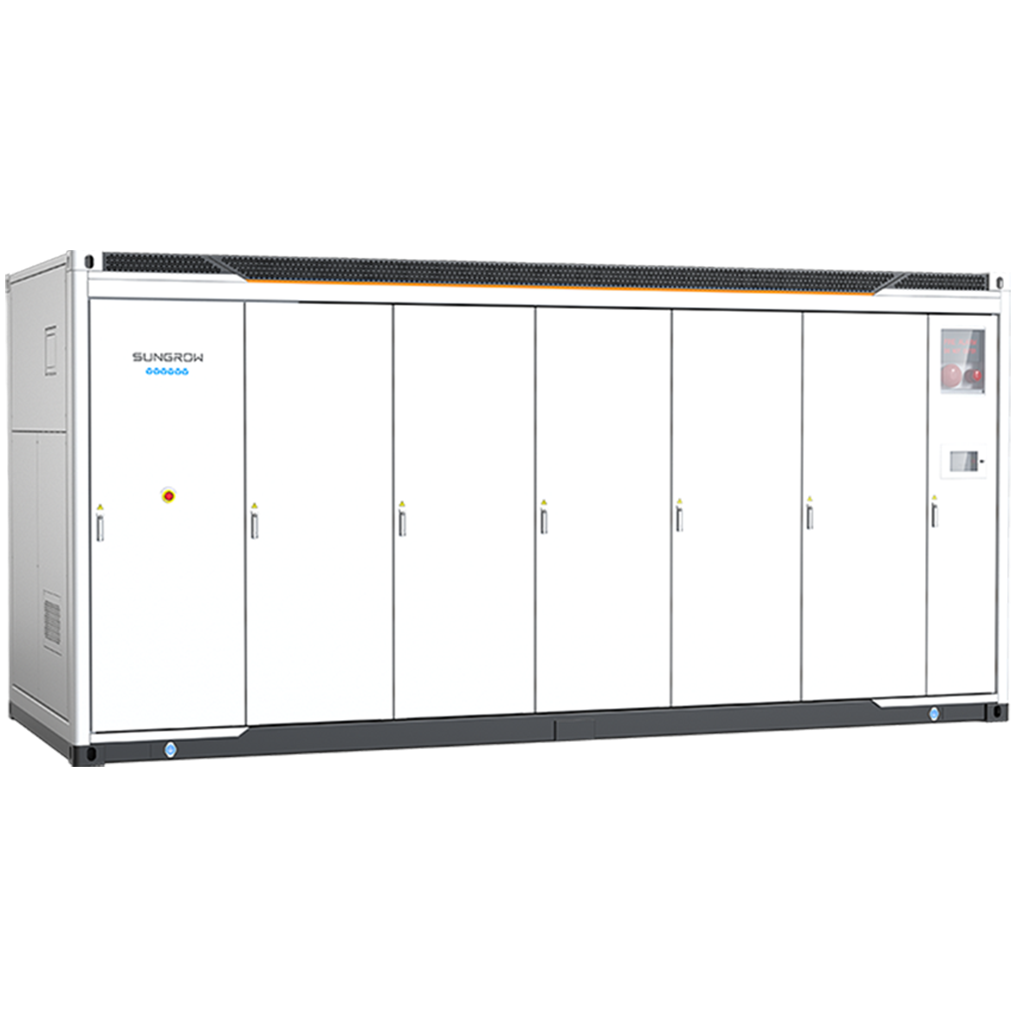
One October night I walked the yard and stood beside an energy storage plant as the wind tossed the lines — the lights stayed on, mostly. That battery storage power station kept the feed pump and the freezer humming, but it wasn’t as slick as the brochure promised. Scenario: a storm shuts the grid for 36 hours; data: 200 kWh sit idle at a 40% charge level; question: who eats the loss? (We counted hours and bills.)
Why does this keep failing?
I’ve spent over 15 years buying, selling, and fixing systems for wholesale buyers and farmers, and I’ll say it straight: most failures are avoidable. I remember installing a 500 kW / 1,000 kWh lithium-ion pack on a dairy farm in Iowa in November 2019. The inverter matched, but the battery management system (BMS) was set for a different use case. Result: premature depth-of-discharge limits cut usable capacity by 22% in the first six months, and the owner lost about $3,200 in spoiled product during one outage. I saw the same pattern—poor configuration, missing thermal controls, and optimistic cycle life claims. It’s not always the chemistry; it’s the setup and the follow-up. I got my hands dirty. I fixed the BMS logic. It helped. Real simple, really.
Comparing what to pick next — practical choices, plain talk
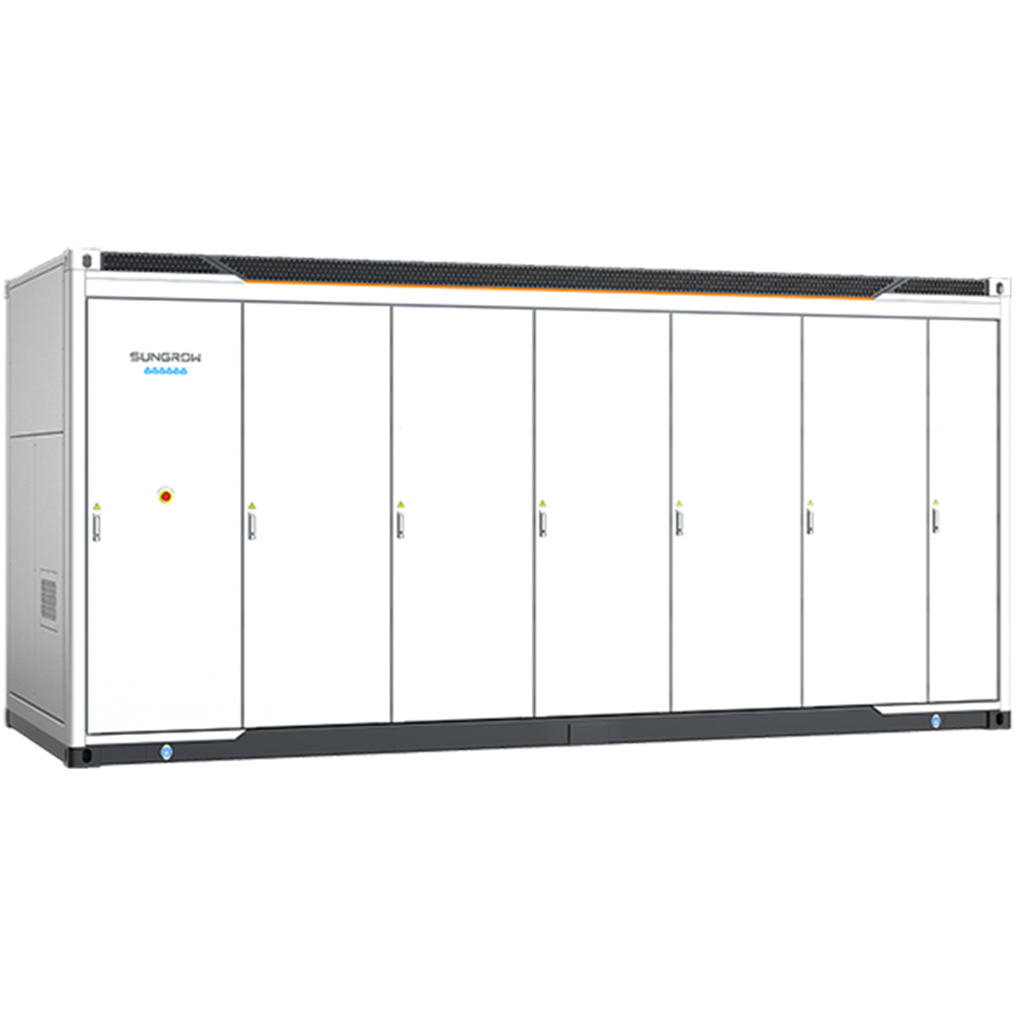
Now look ahead. I compare two paths for the energy storage plant — big monolith systems with single-point control versus modular arrays with cell-level monitoring. The monolith is tidy; it’s cheaper upfront. The modular route lets you swap a rack and keep running. We tested both at a ranch near Lubbock in March 2021. The modular array returned service 48 hours faster after a fault; downtime costs were cut by half. I weigh inverter ratings, warranty response times, and true cycle life figures — not glossy marketing. Short note — warranties matter. Call vendors. Ask exact repair SLA times. I pause sometimes. Then I decide.
What’s Next?
Compare vendors on three clear metrics: actual cycle life under the profile you run, round-trip efficiency at your typical charge/discharge, and service responsiveness (repair time and spare parts availability). Don’t get dazzled by peak kW alone. I prefer systems where the BMS is configurable to farm loads and the supplier will talk through a real incident report (last June I asked for one, they sent a stamped repair log — that told me all I needed). Make the choice that keeps your business running, not just your meter green. Small interruptions — annoying. Big ones — costly.
Here are three quick evaluation metrics to carry with you when choosing: 1) realistic cycle life measured at your depth-of-discharge; 2) guaranteed round-trip efficiency under load; 3) vendor SLA for on-site support and spare inverter modules. I speak from hands-on fixes and contracts. I’ve seen units survive a blizzard because the supplier answered fast — and others fail because they didn’t. Pick practical over flashy. For proven kit and sensible service, I often point folks toward partners I trust, like sungrow.
