 John
JohnIntroduction: A Shop-Floor Question With Real Stakes
I’ve watched a pack roll off the line at dawn, warm from the sealers and still humming quiet. In ev testing, folks ask if we can pull time out of the checks without pulling safety out too. That pack sits at 400 to 800 volts and weighs near a half ton; one slip and you feel it in the bones (and in the budget). We’ve got data that says delays add up fast: a minute here, a minute there, and the shift loses an hour. Yet skipping checks is not an option when the BMS is fresh, and thermal runaway is a no‑joke risk. So we stand between speed and care. What gives?
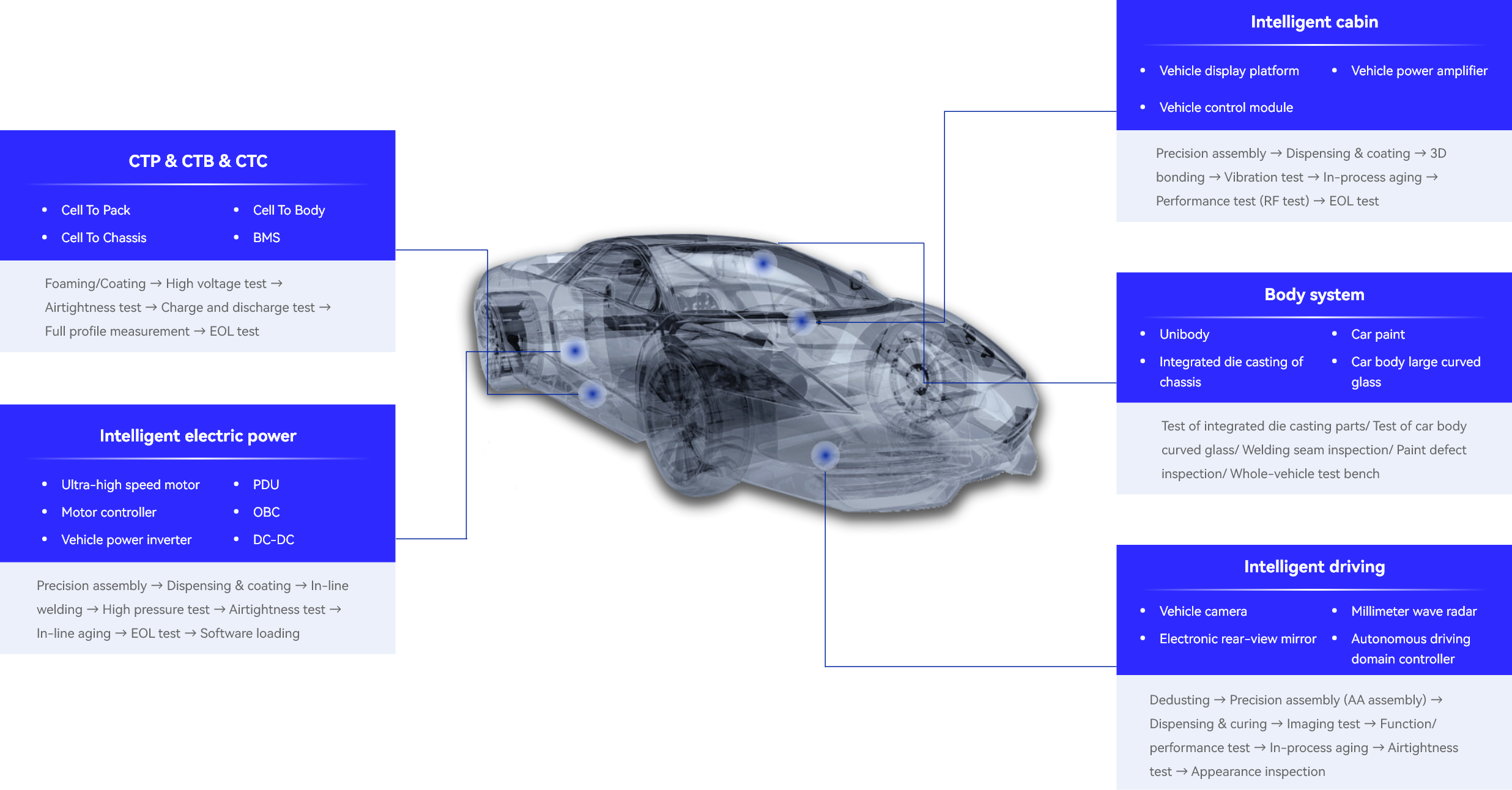
Here’s the rub. Traditional benches do their job, but they don’t know the line’s rhythm. They test deep, and slow, and alone. The line needs fast, tight, and sure. The question is simple: can we stress the pack hard enough to be safe, and still keep the belt moving? Let’s walk it slow—then pick up the pace in the next section.
The Quiet Flaws in Old Test Routines
Where do old methods fall short?
In modern electric vehicle battery testing, the classic stack—bench charge, soak, discharge, manual probes—looks solid on paper. But on the floor, it leaks time. Hi‑Pot checks catch insulation faults, yet contact bounce can fake a fail. DCIR numbers drift when pack temperature creeps a few degrees. BMS handshakes over the CAN bus stall when fixtures flex. And a “pass” at the bench doesn’t always equal a “pass” once the pack is bolted into the cradle—funny how that works, right? Look, it’s simpler than you think: the test isn’t wrong; the context is. The bench sees a lab. The line is not a lab.
Two hidden pains show up day after day. First, false rejects. Tiny connector resistance or a noisy ground loops the meter and you scrap time—or worse, good packs. Second, blind spots. Static scripts don’t react when a cell group warms faster than its neighbors, so early state‑of‑health shifts hide under the noise. Operators then repeat tests, chasing ghosts. The output? Longer cycle times, uneven yield, and a safety net with holes. That’s not bad people; that’s old tools in a new job.

Looking Ahead: Smarter Tests, Safer Lines
What’s Next
Now we turn the dial forward. The new idea isn’t more tests; it’s better timing. Put analytics near the pack using edge computing nodes. Sample quickly, then decide quickly. Short pulse profiles feed models that estimate DCIR and state of charge without long soaks. Regenerative power converters push and pull current in tight bursts, then return energy to the grid. The BMS talks over CAN, and a lightweight twin of the pack watches drift over the run—temperature, voltage spread, the works. In short, the test walks with the line, not behind it. And yes, electric vehicle battery testing can fit inside that rhythm (with guard rails).
Let’s compare outcomes, plain and fair. Old benches give stable numbers, but they cost minutes and miss real‑time changes. Inline methods use the same physics—Ohm’s law doesn’t change—but apply it in micro‑windows. That means earlier fault flags, fewer false trips, and cleaner data per second. You keep Hi‑Pot, but you pair it with adaptive limits. You keep DCIR, but lock it to temperature. You keep the BMS handshake, but simulate edge cases right on the fixture. Small parts, big shift. Y’all can see the shape of it now.
Before we close, here’s how to judge any path you pick. Use three checks. First, detection latency: how many milliseconds from anomaly to flag under real load. Second, repeatability: DCIR and pack voltage spread at ±2°C drift—same pack, same answer. Third, false‑reject rate: under 1% at target cycle time, verified over a clean sample set. If a solution meets those, it earns its keep—and your shift breathes easy. For steady guidance on the tooling and flow, I keep an eye on folks at LEAD.

 SEO
SEO