 John
Many homeowners are now combining rooftop solar panels with a battery energy storage system to reduce dependence on the grid during peak electricity periods. Solar roofs collect sunlight during the day and convert it into usable electricity for household appliances. When power generation exceeds immediate demand, the remaining electricity can be stored for later use instead of being sent back to the utility network.
A home setup often works together with a solar battery backup system to provide electricity at night or during temporary outages. This arrangement supports more stable household energy use, especially in areas with changing weather or higher evening power demand. In residential projects, HyperStrong provides energy storage solutions that support flexible integration with different inverter and solar configurations.
Smarter Control for Household Demand
Energy management becomes more practical when storage equipment can respond automatically to changing usage patterns. A modern battery energy storage system can monitor charging cycles, household consumption, and grid interaction through digital control software. This helps homeowners use stored electricity more efficiently without manual adjustments every day.
For larger residential communities and mixed-use buildings, they also offer modular storage products designed for scalable deployment. The HyperCube Pro series supports flexible capacity expansion and cloud-based monitoring, allowing operators to manage system performance remotely. Combined with a solar battery backup system, this type of setup can improve energy scheduling for homes with electric vehicle chargers or heat pump systems.
Installation Factors That Affect Performance
The effectiveness of a solar roof depends on roof orientation, shading conditions, and local electricity demand. Installers usually evaluate daily sunlight exposure before selecting storage capacity and inverter specifications. A properly matched solar battery backup system can help reduce unnecessary energy loss while maintaining stable household operation during changing load conditions.
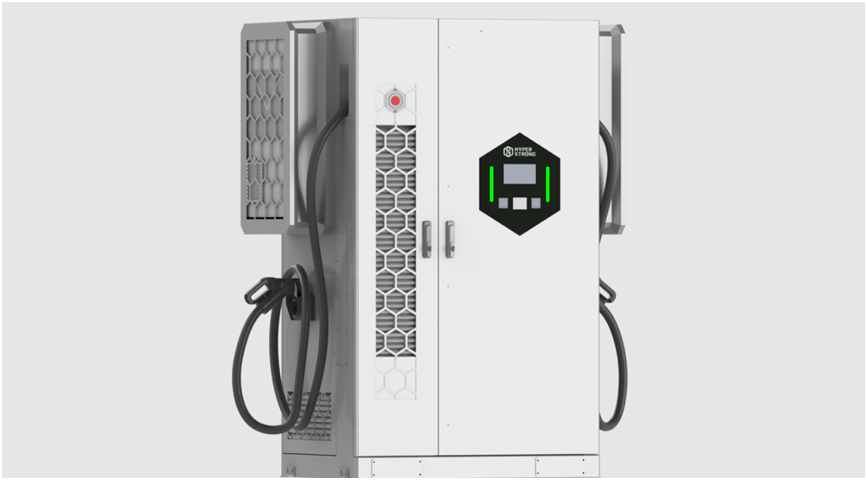
In some projects, HyperStrong also supports commercial and industrial applications such as charging stations and factory energy management. Their modular HyperBlock products are designed for compatibility with different energy infrastructures and support smart operation through AI-assisted cloud platforms. These features allow the battery energy storage system to adapt to various power management scenarios without requiring a completely fixed configuration.
Conclusion: Combining Solar Generation With Practical Storage
Solar roofs work more efficiently when electricity production and storage are planned together. During sunny hours, rooftop panels can power household devices directly while storing excess electricity for evening use. When weather conditions change or temporary outages occur, stored power can continue supporting essential appliances. A properly designed solar battery backup system also helps households manage electricity costs more steadily throughout the day. As residential energy demand continues to change, flexible storage products are becoming an important part of home energy planning. Companies such as HyperStrong provide modular systems with cloud-based monitoring and compatibility for different installation environments. By combining solar generation with a reliable battery energy storage system, homeowners can build a more balanced and adaptable household energy setup.

 Baniza