 John
Ensuring the durability of a drainage system begins with selecting the right type of piping material. Sewage drainage pipe networks are exposed to various chemicals, solids, and fluctuating flow conditions, making material performance a critical consideration. Plastic pipes, particularly those produced by LESSO, are commonly chosen for these applications due to their resilience, ease of installation, and consistent quality. Understanding how these pipes respond to raw sewage is key to ensuring long-term functionality.
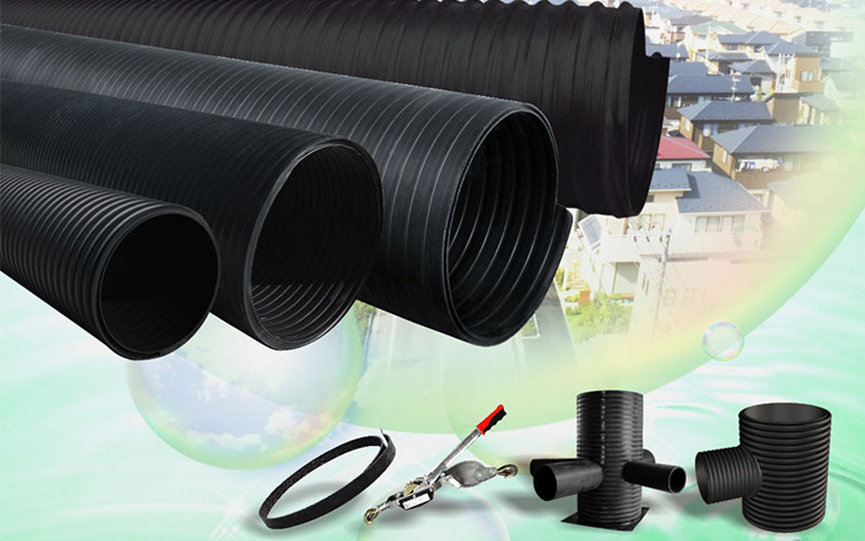
Material Properties and Chemical Resistance
Plastic pipes used in sewage systems are typically made from PVC-U or HDPE, which offer strong resistance to the corrosive effects of wastewater. Unlike metal pipes, plastics do not rust or react with most chemical components found in raw sewage. Their smooth internal surface also reduces friction and prevents buildup of solids, which helps maintain flow efficiency and reduces the risk of blockages. Properly manufactured and installed plastic pipes maintain structural integrity even when carrying a continuous flow of wastewater.
Performance Under Operational Conditions
Plastic sewage drainage pipes can handle variations in temperature, pressure, and flow rate without significant degradation. HDPE and PVC-U pipes from LESSO are designed to withstand the stresses associated with gravity-fed and low-pressure sewage systems. Over time, exposure to raw sewage may affect pipe appearance or result in minor wear, but the chemical composition and flexibility of these materials prevent major corrosion or weakening that could compromise the system.
Installation and Maintenance Considerations
While plastic pipes are inherently resistant to degradation, proper installation is essential to ensure their longevity. Joints must be sealed correctly, and supports should be placed to avoid excessive strain or sagging. Regular inspection of the drainage system helps identify any potential issues, such as debris accumulation or minor joint leaks, before they develop into serious problems. Combining quality materials with careful installation and periodic maintenance ensures that the pipes perform reliably under normal sewage conditions.
Conclusion
Plastic sewage drainage pipe systems, when properly installed and maintained, are capable of handling raw sewage without significant degradation. Their chemical resistance, smooth interior surfaces, and flexibility make them a practical choice for residential and commercial wastewater networks. Using components from LESSO supports durability, reliability, and efficiency in the drainage system, helping maintain effective wastewater management over the life of the installation.

 SEO
 admin