 John
Distinctive aroma can change the character of an entire dish even when only a small quantity of oil is used. Sesame oil is particularly interesting because its role extends beyond basic cooking fat: aroma, finishing technique, temperature, and ingredient pairing all influence the final sensory effect.
Buyers comparing sesame oil manufacturers may benefit from examining these factors rather than judging an oil only by color or fragrance. JOLION Foods operates within this condiment category, providing a useful reference for understanding how sesame oil fits into everyday food preparation.
Aroma Development and Sensory Perception
Sesame oil is often recognized immediately by its characteristic roasted or nutty aroma. That fragrance can become especially noticeable in cold dishes, dressings, dipping sauces, and finished preparations where the oil is not exposed to prolonged high heat.
Aroma perception is influenced by more than concentration. Temperature can change how volatile compounds are released, while surrounding ingredients may either soften or intensify the sesame character. Garlic, chili, vinegar, soy-based seasonings, and fresh vegetables can all create different sensory combinations.
This explains why a strongly aromatic oil does not necessarily need to dominate a recipe. A modest amount may provide enough fragrance to connect several ingredients, particularly in dishes where texture and freshness are more important than heavy seasoning.
Heat Management in Different Cooking Methods
Not every oil application requires the same temperature conditions. Sesame oil used as a finishing ingredient has a different sensory purpose from oil incorporated into a cooking process, since extended exposure to heat can alter aroma and overall flavor expression.
Cold preparation offers another interesting application. Salads, dipping sauces, noodles, and vegetable dishes can preserve the recognizable sesame character because the oil is added without prolonged heating. Such uses make aroma a central part of the eating experience.
Commercial kitchens also need to consider when an oil enters the recipe. Sesame oil manufacturers may formulate products intended for different culinary applications, while food professionals can adjust dosage and timing according to the desired aroma intensity.
Nutritional Components and Ingredient Awareness
Sesame-derived oils are valued not only for flavor but also for their naturally occurring nutritional components. Sesame contains trace minerals and other compounds, although the nutritional profile of an oil differs from that of whole sesame seeds because many non-fat components are removed during oil processing.
Ingredient labels remain important when assessing any edible oil. Consumers and buyers can examine the oil source, processing information, packaging, storage guidance, and any additional ingredients to understand what is actually being purchased.
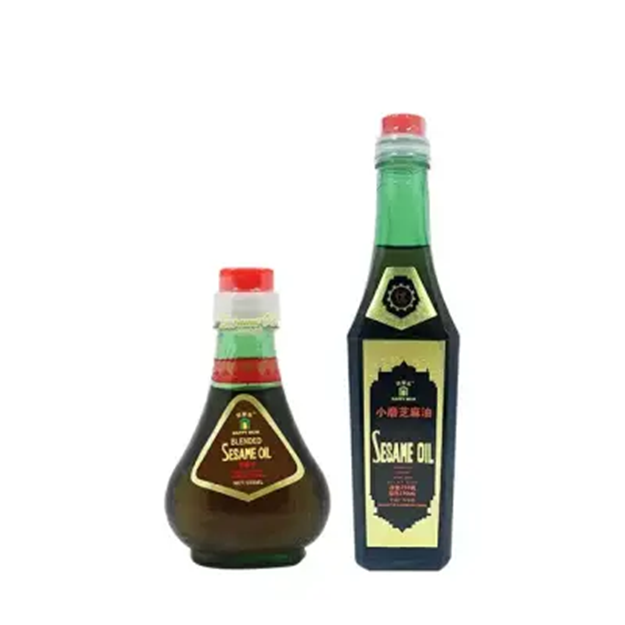
The supplied 108ML Edible Sesame Oil is described as having a strong sesame aroma and being suitable for seasoning, dressings, hotpot dishes, and cold foods. Its compact 108ML format also illustrates how a small-volume bottle can suit applications where sesame oil functions primarily as a flavoring ingredient rather than the main cooking medium.
Packaging and Storage Stability
Oil quality is affected by its surrounding environment after production. Light, oxygen, temperature, and repeated exposure during use can influence flavor stability over time, making suitable packaging and storage practices relevant to both manufacturers and consumers.
Smaller containers can have a practical advantage in applications where only limited quantities are used at each meal. A household may prefer a manageable package that can be consumed within a reasonable period rather than storing a large volume for occasional finishing purposes.
Packaging decisions become even more significant for products distributed across different climates. Buyers working with sesame oil manufacturers may need to consider transport conditions, warehouse temperatures, bottle materials, closure systems, and storage instructions alongside the oil itself.
Pairing Sesame Oil With Different Foods
The strongest applications often come from contrast rather than simple repetition. Nutty sesame aroma can complement crisp vegetables, fresh herbs, noodles, mushrooms, tofu, meat, and spicy seasonings, adding a deeper aromatic layer without requiring a large quantity.
In cold dishes, the oil can help carry the fragrance of other ingredients across the palate. In hotpot preparation, it can function within a dipping mixture where sesame aroma interacts with chili, garlic, vinegar, or other seasonings. Different combinations naturally produce different levels of richness and intensity.
JOLION Foods presents its sesame oil within this broad culinary context, where versatility depends on both formulation and intended use. Rather than treating sesame oil as a single-purpose ingredient, recipe developers can consider whether it works best as a finishing accent, dressing component, dipping-sauce ingredient, or supporting flavor in a cooked dish.
Conclusion
Sesame oil demonstrates how a relatively small ingredient can influence aroma, balance, texture perception, and the overall identity of a dish. Its performance depends on timing, temperature, storage, packaging, and the ingredients surrounding it, so product evaluation benefits from a broader perspective than flavor intensity alone.
Businesses researching sesame oil manufacturers can use these considerations when assessing products for retail, foodservice, or culinary applications. JOLION Foods forms part of this manufacturing landscape, where sesame aroma and practical usage requirements come together in an everyday edible oil.

 SEO
 admin